Occidental Mindoro Mission
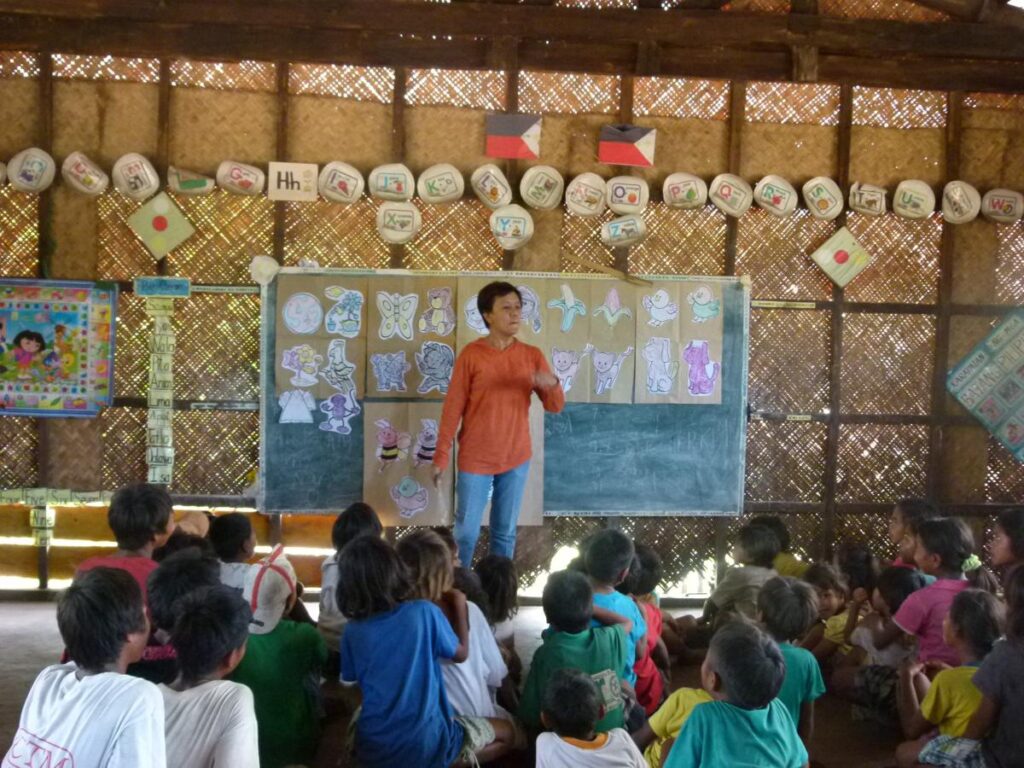
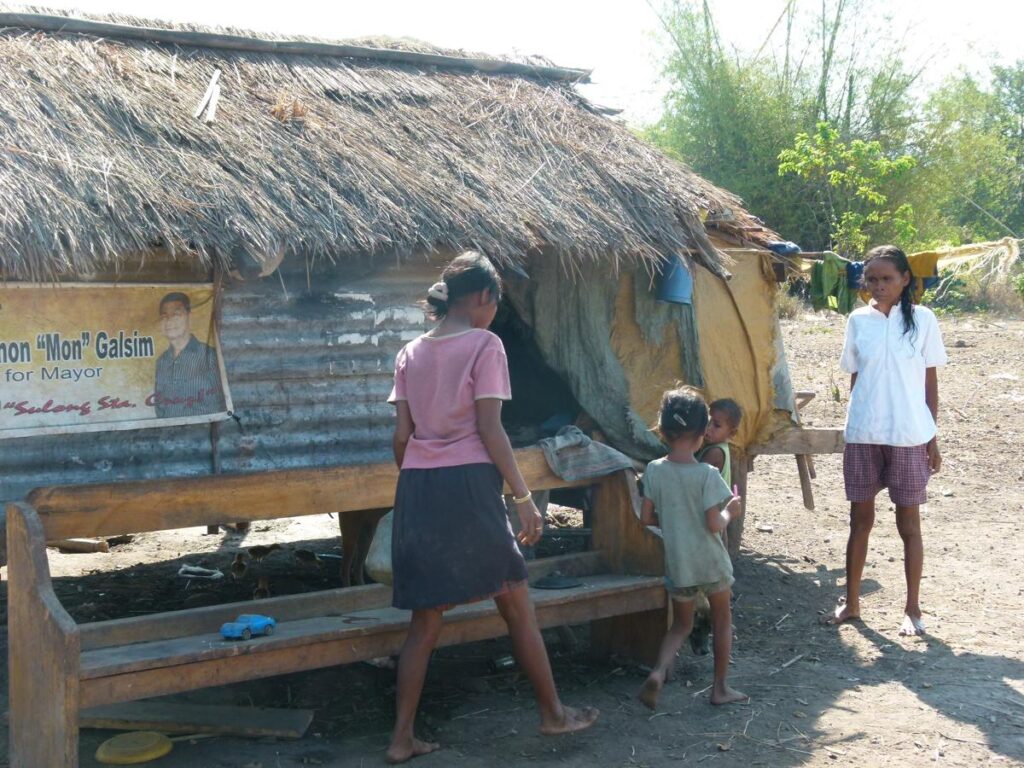
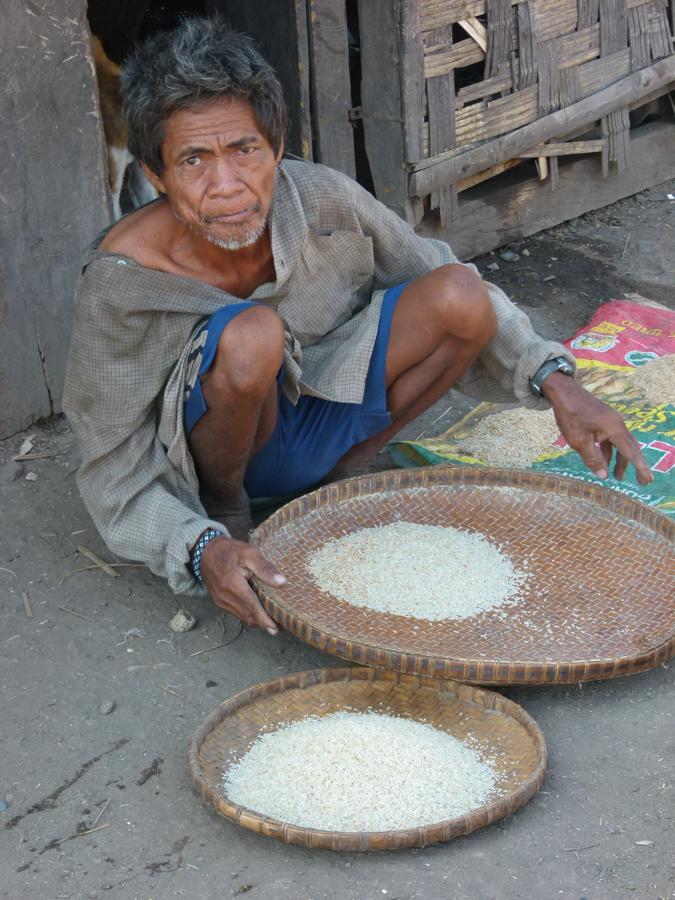
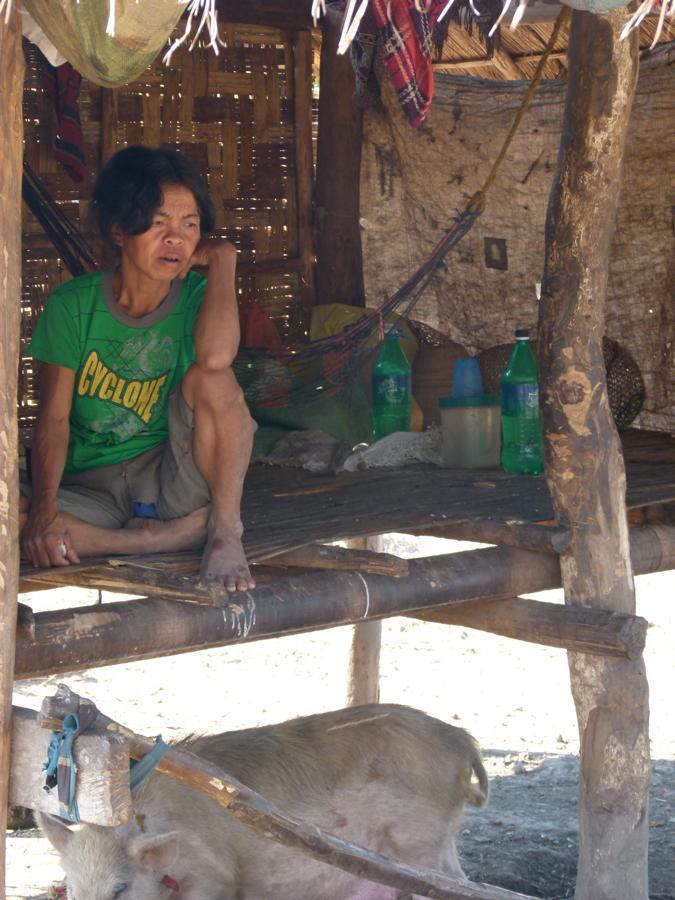
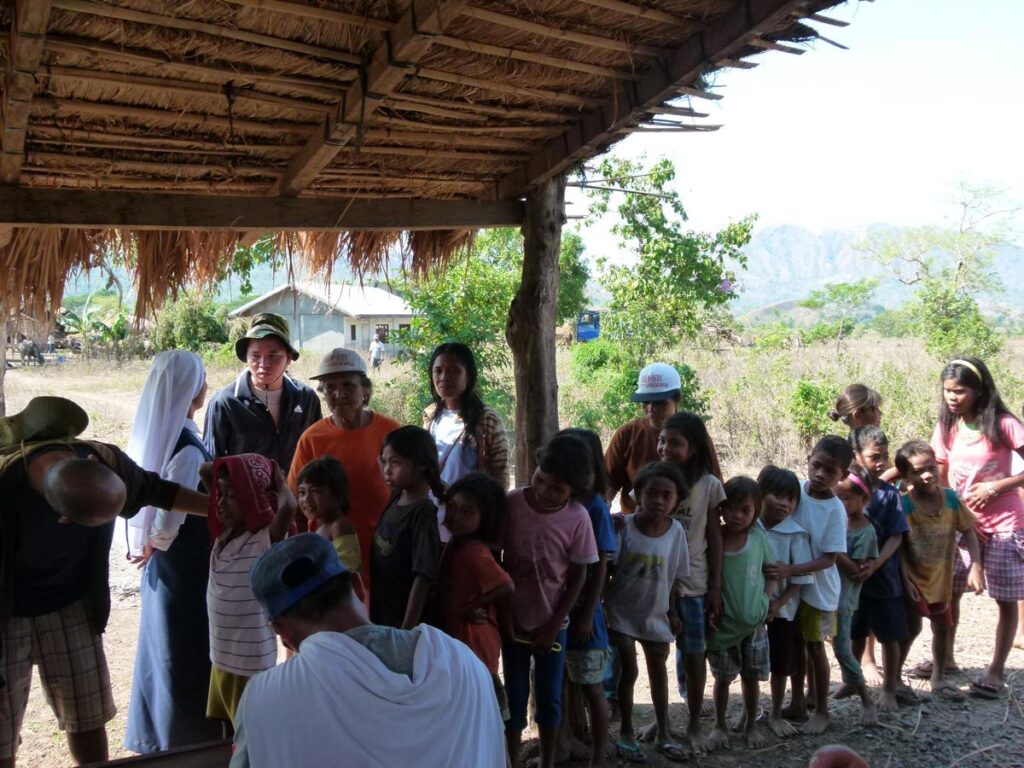
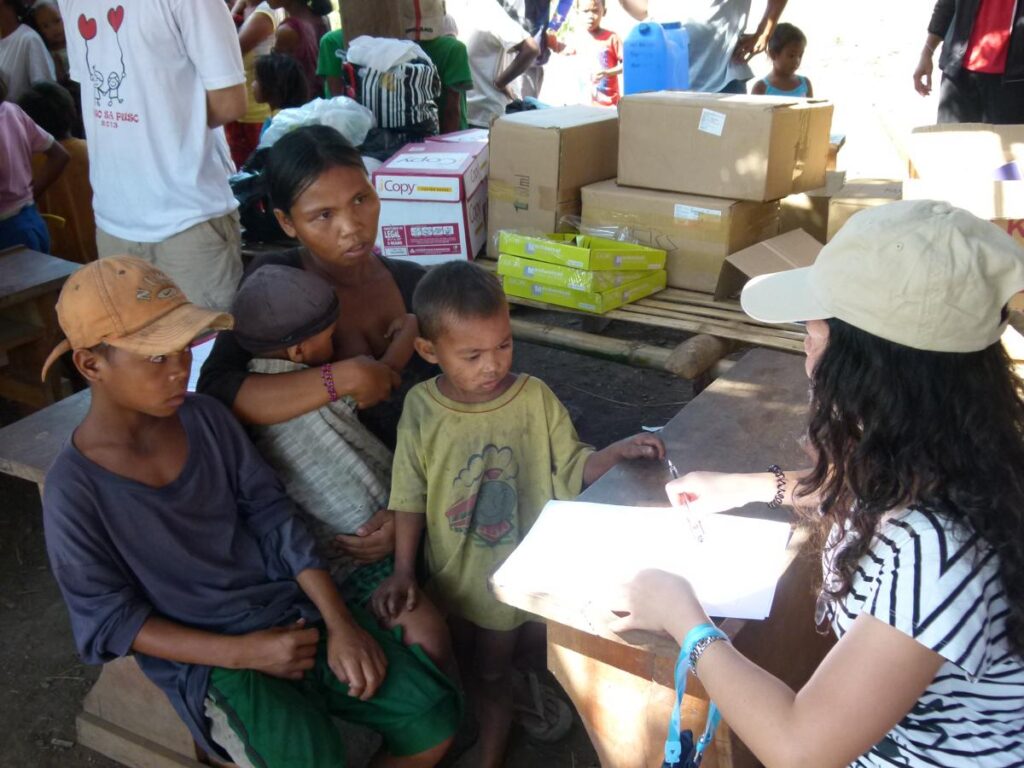
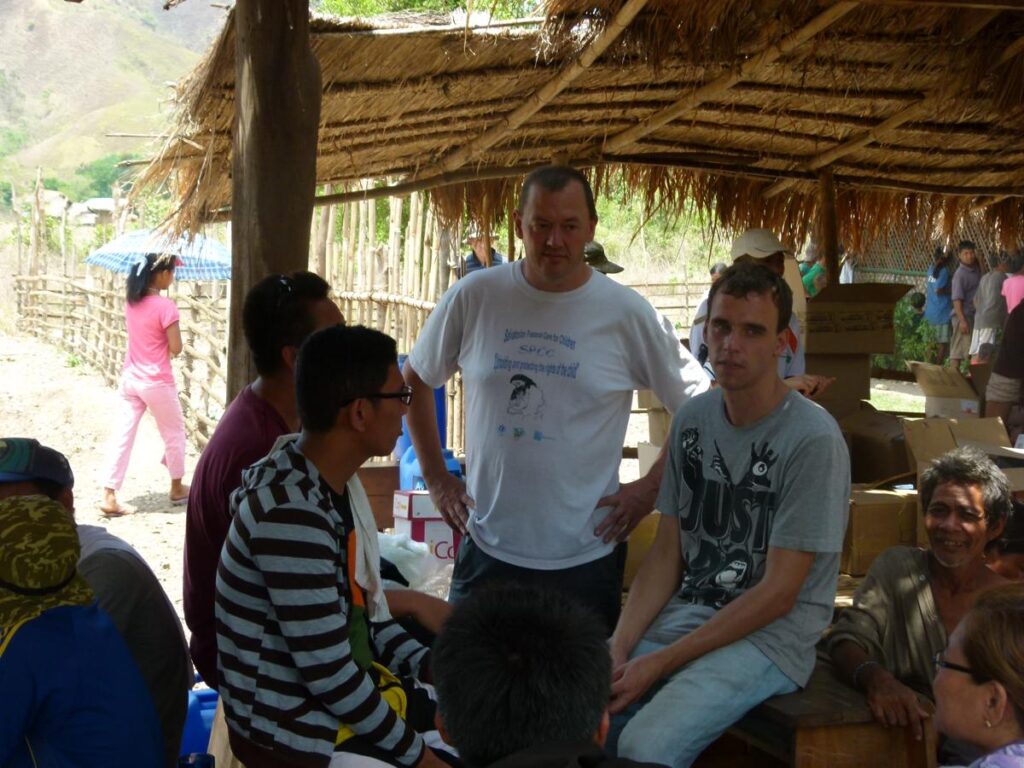
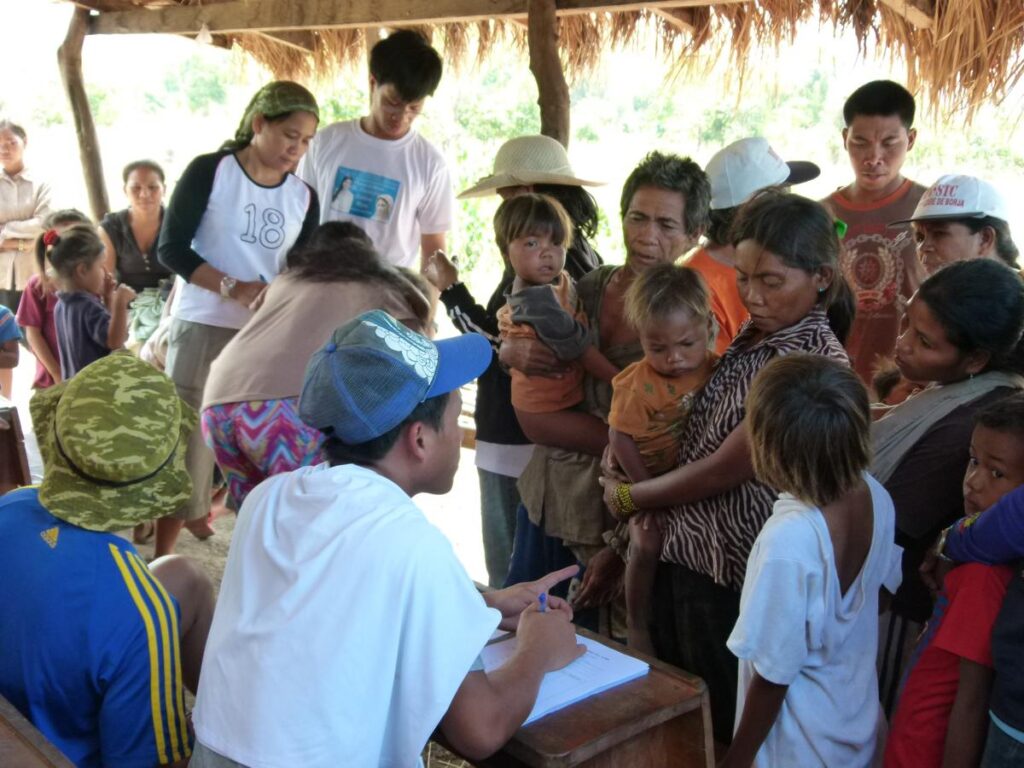
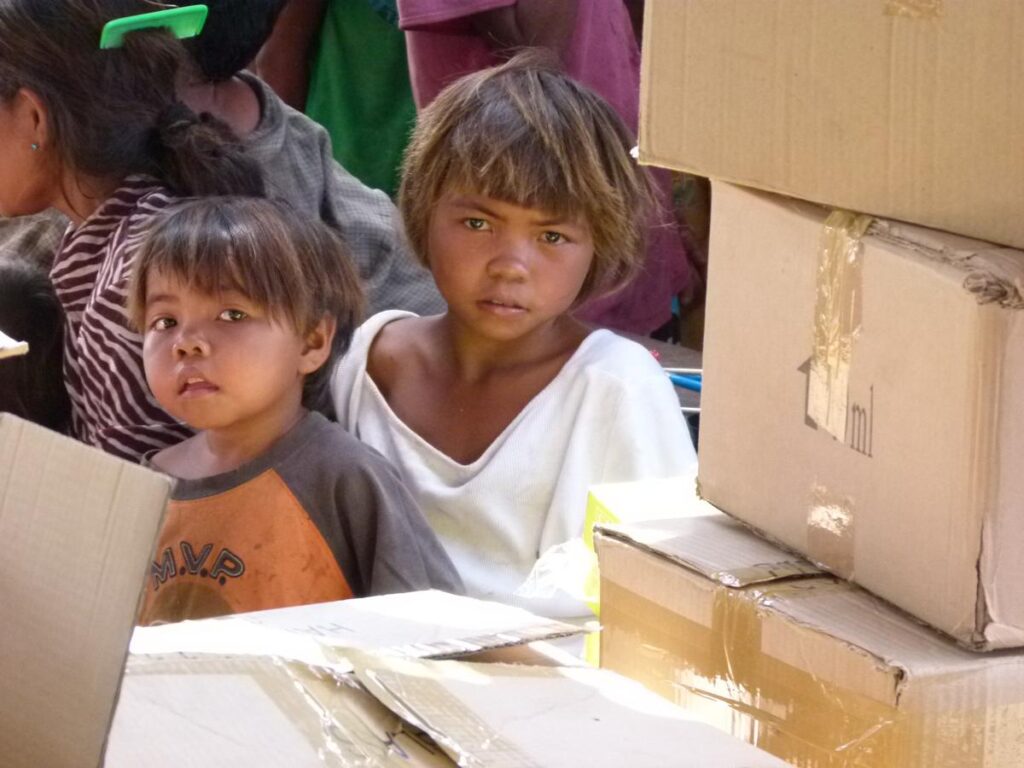
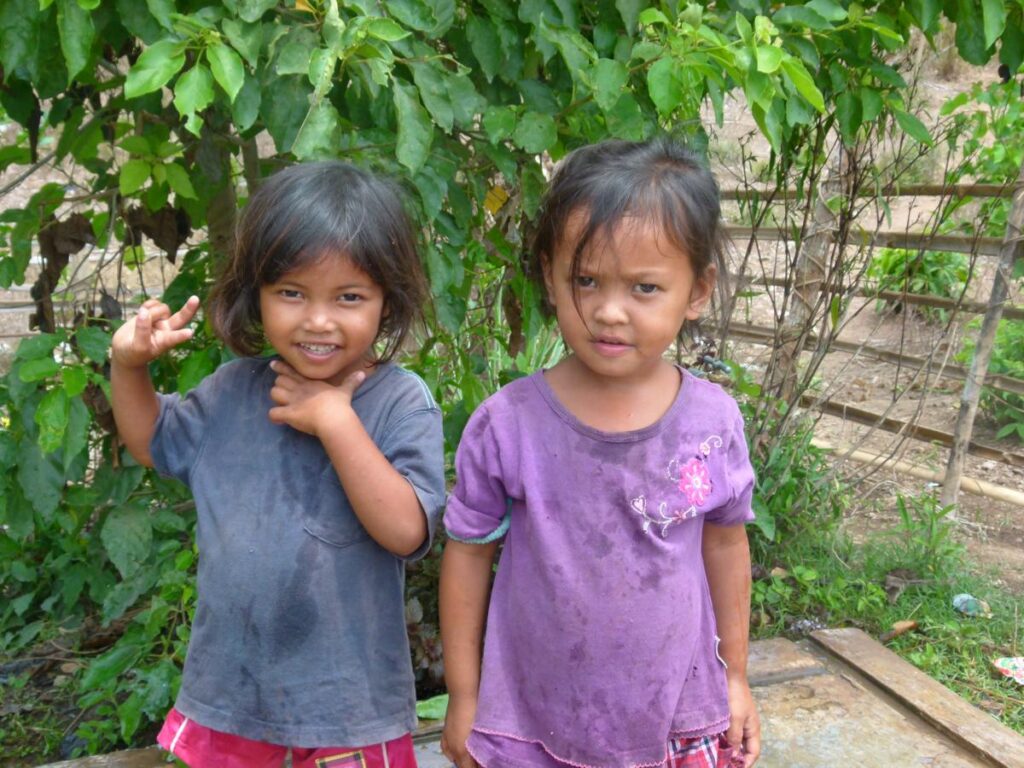
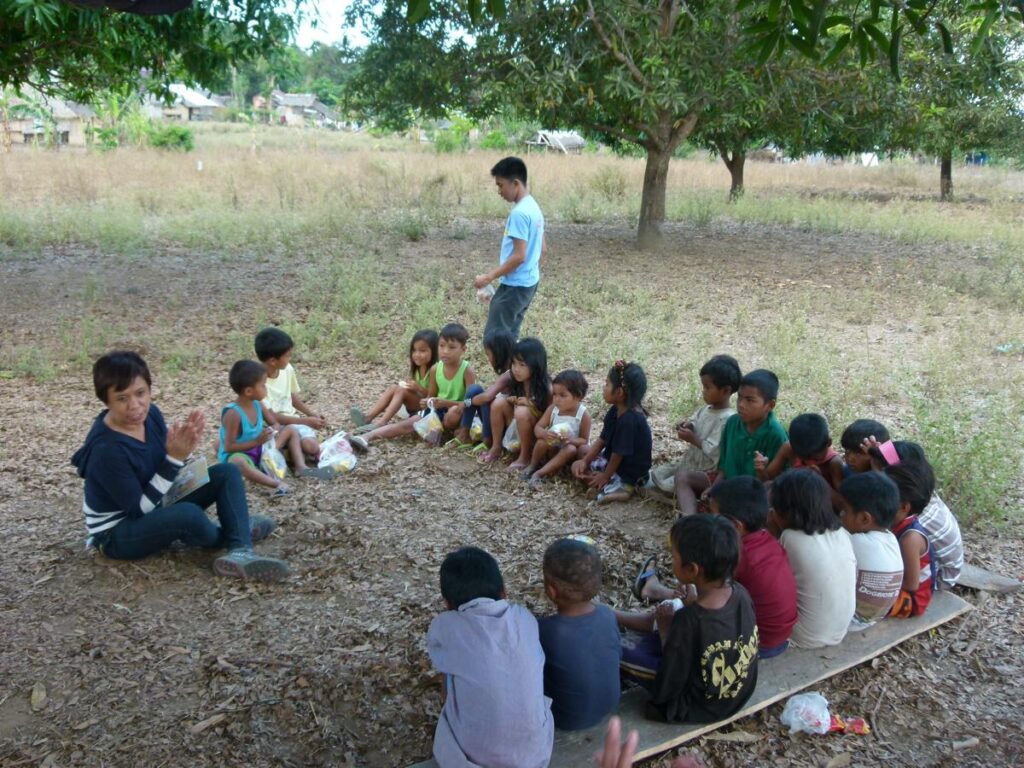
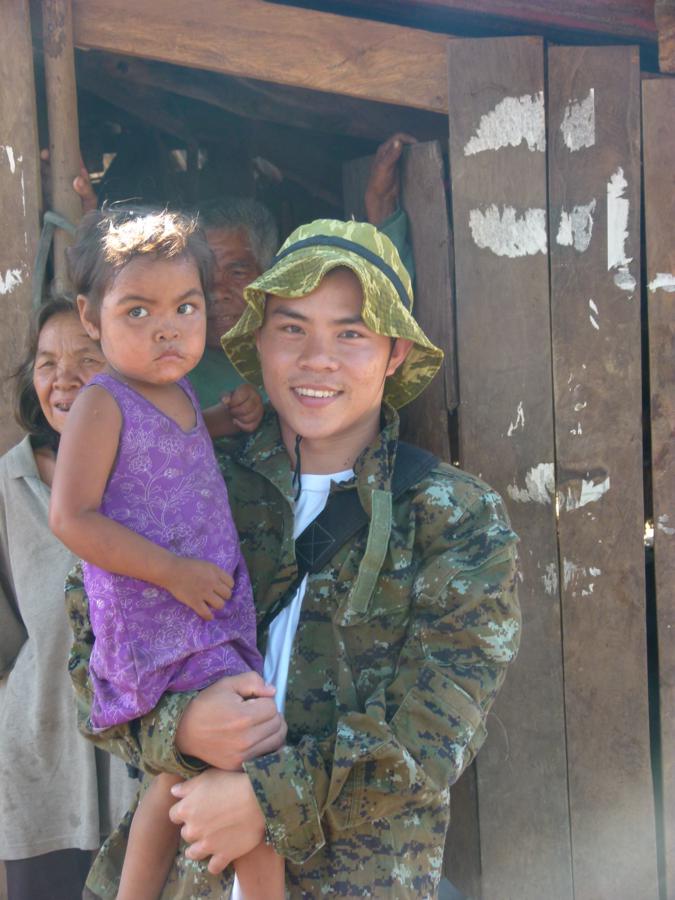
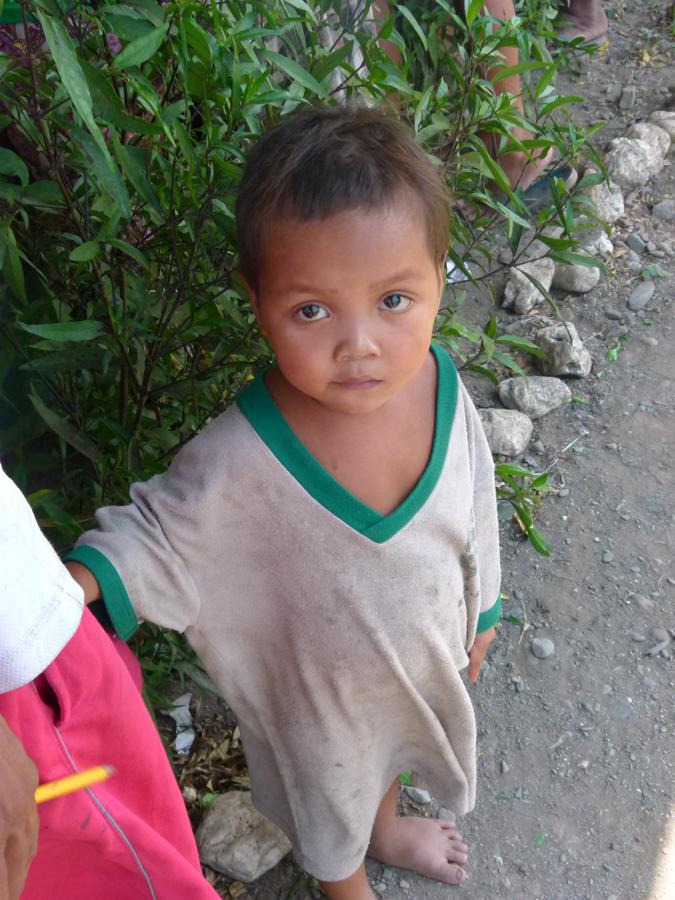
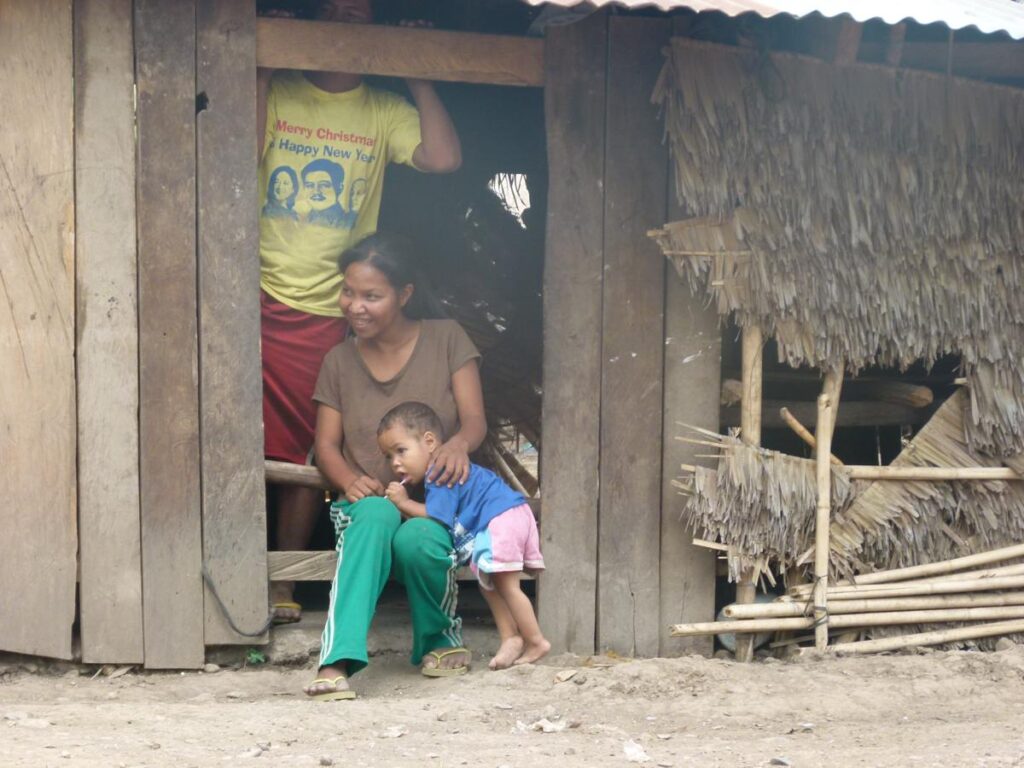
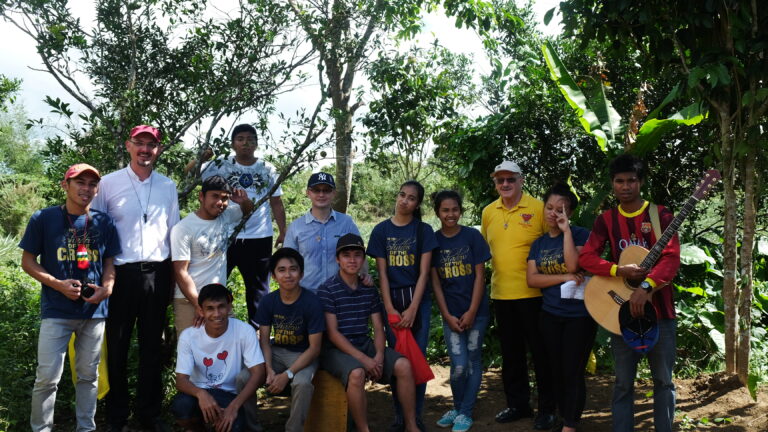
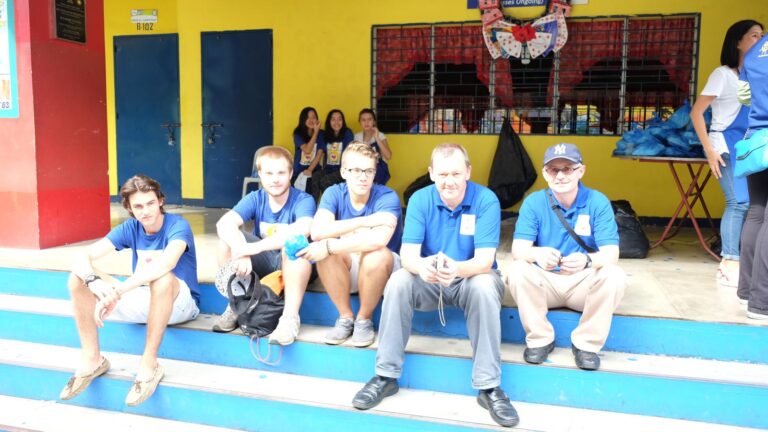
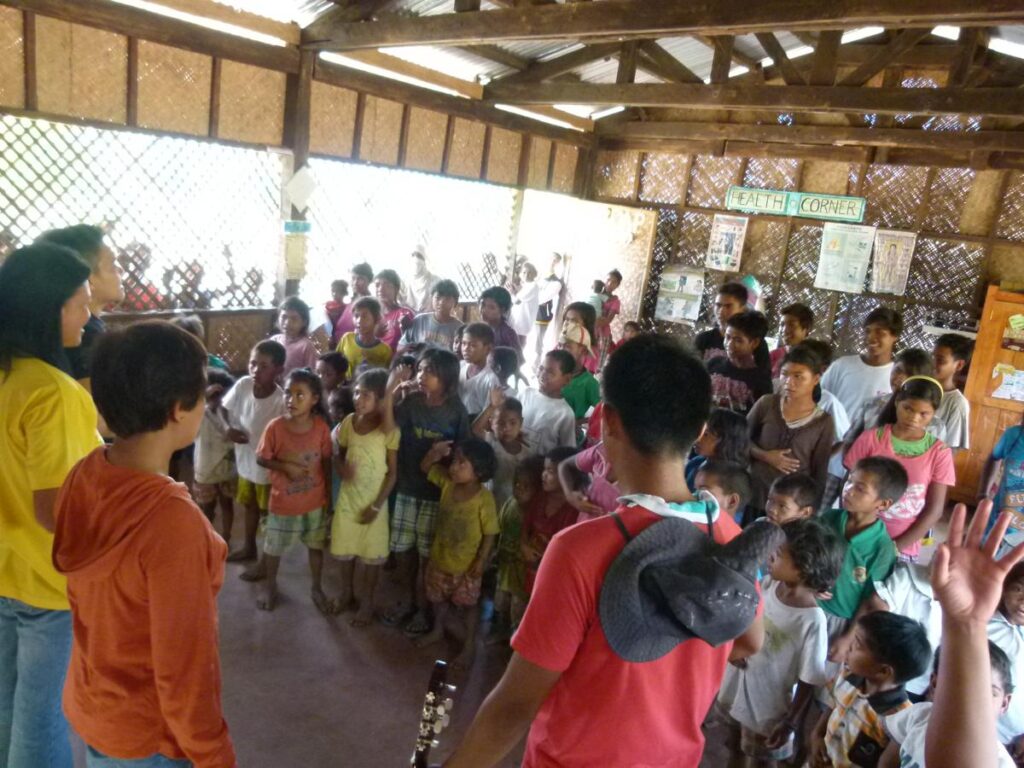
For three years in a row, I had been joining a medical mission to assist a group of cultural minorities called Mangyans. Last April 7-12, the nuns called Daughters of the Immaculate Conception of Charity (DICC) initiated this activity. And the seminarians and priests who belong to the Society of the Divine Savior (SDS), also called Salvatorians joined them. A doctor, several nurses, teachers like me, and other lay people participated, as well.
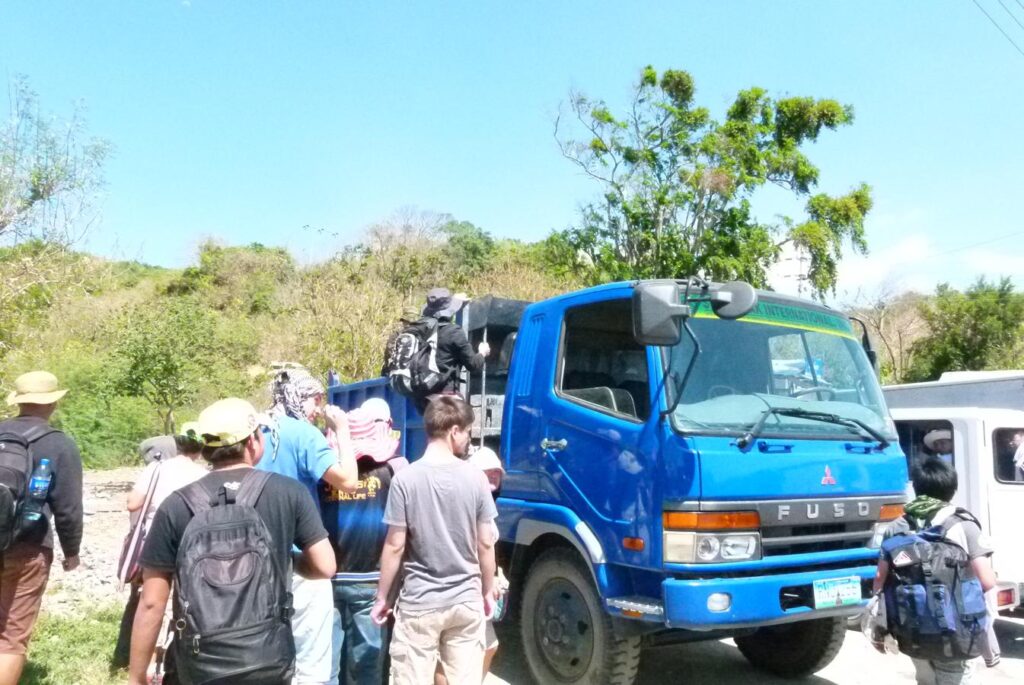
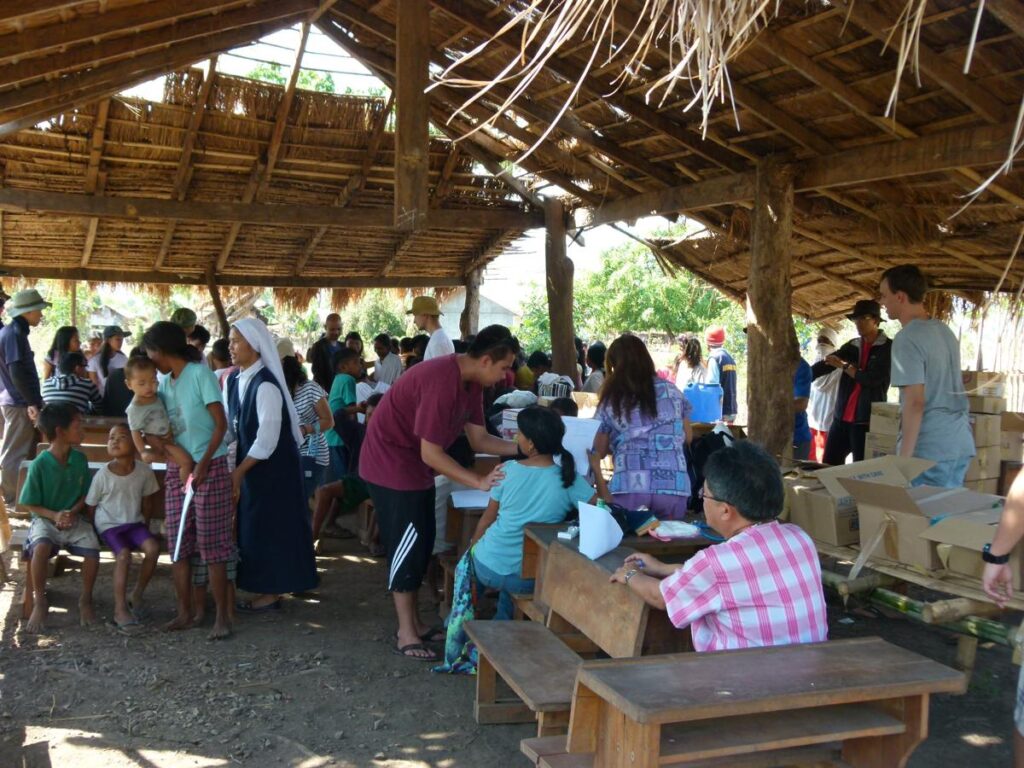
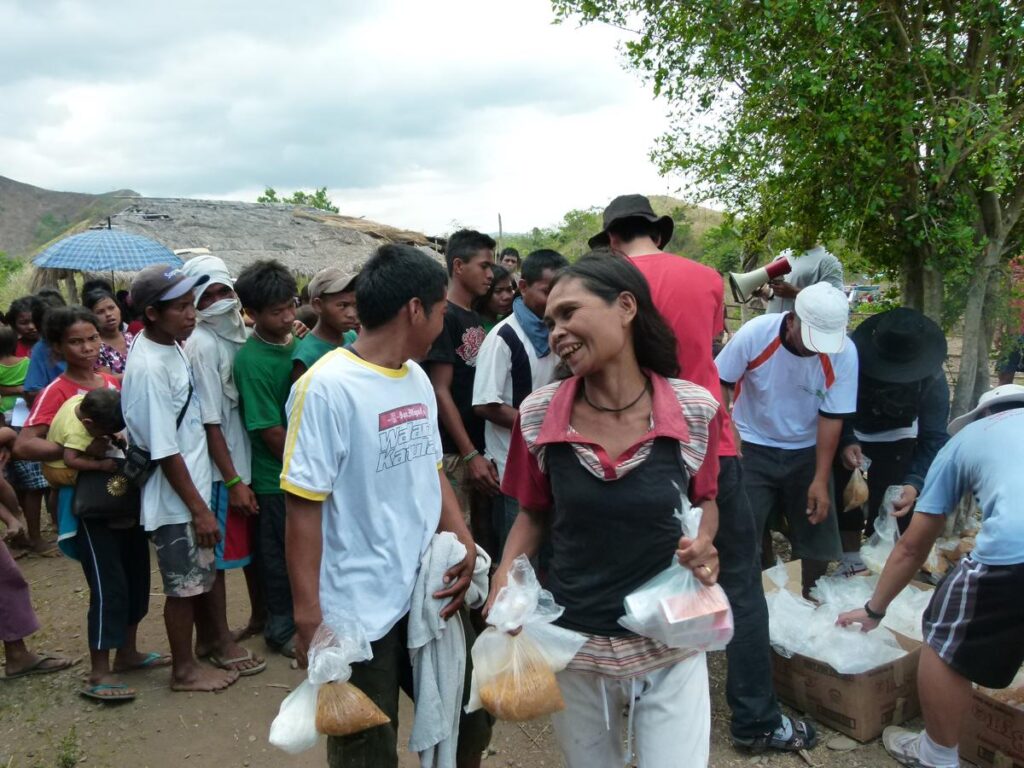
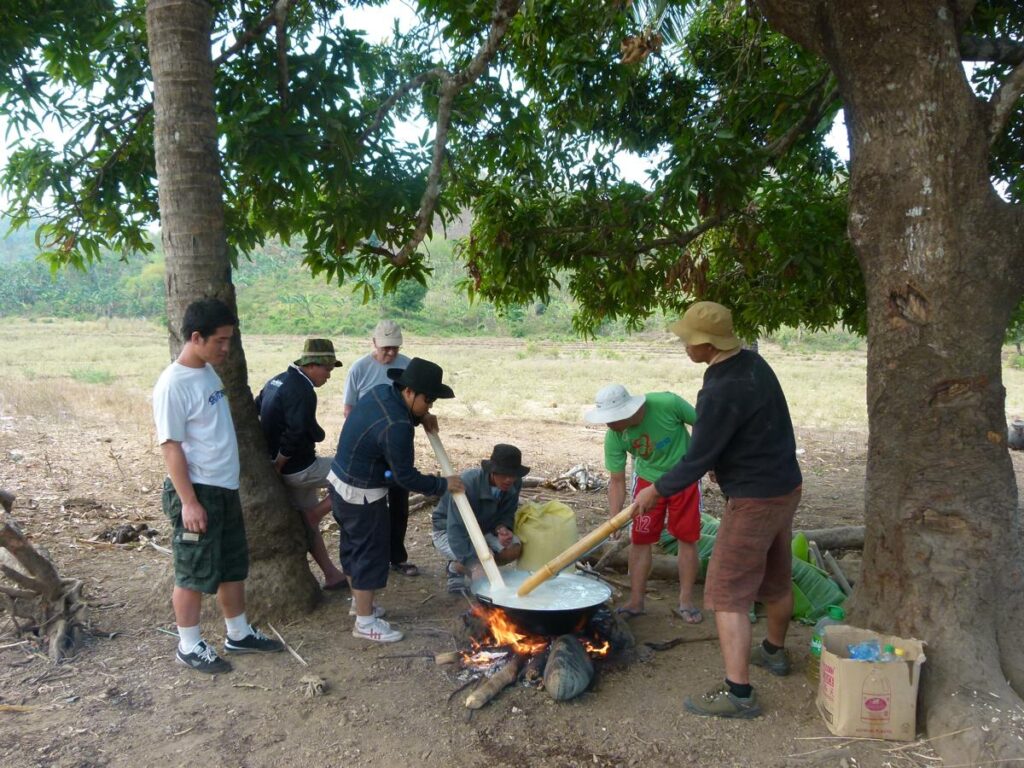
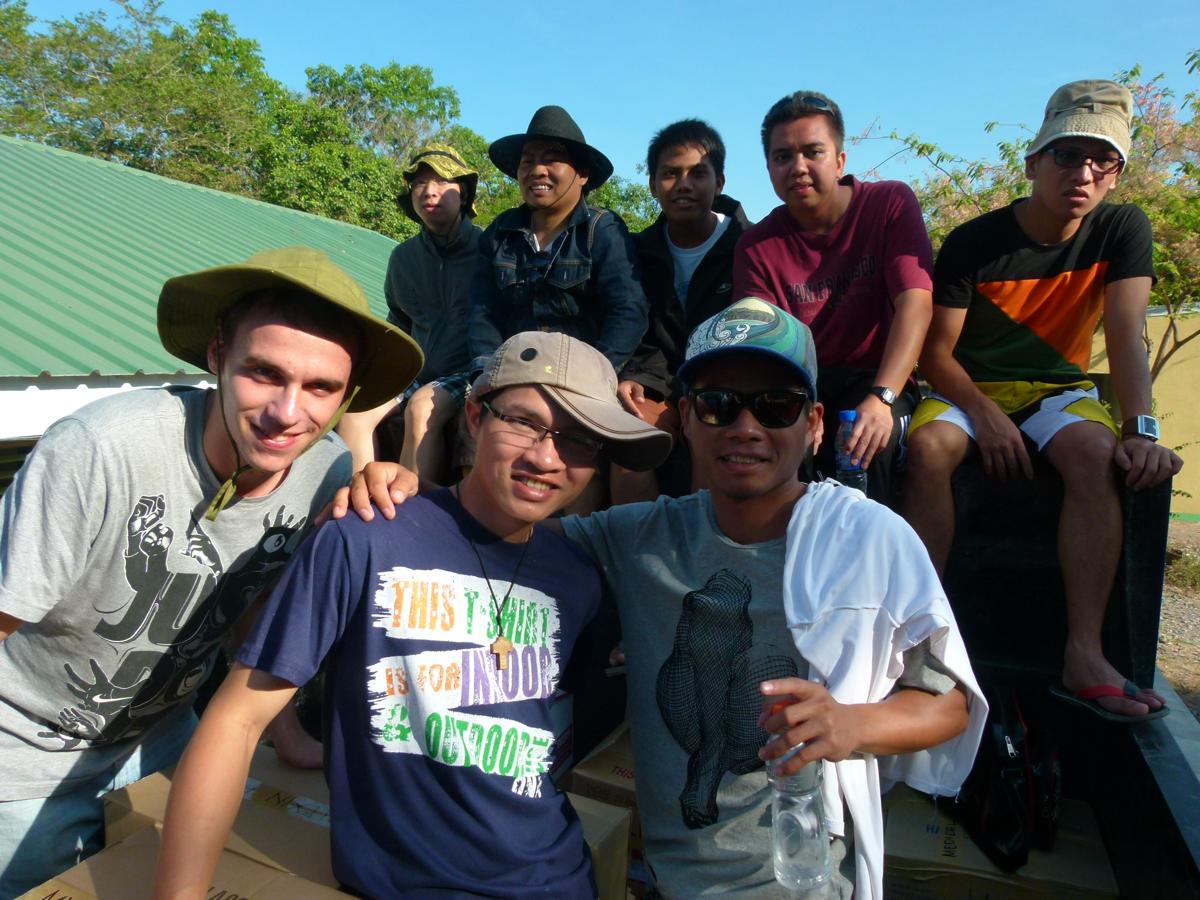
There were about 50 participants in all and they were divided into teams. Every morning, a team assigned at the camp called Mulawen Elementary School started to cook breakfast while the others prepared for mass and the long day. Right after, another team of cooks, the medical group and the catechists were transported to the Mangyan communities either by car or huge truck together with boxes and packs of medicine and food, utensils, and other necessary paraphernalia for the day. The travel from the camp to the communities lasted from 30 minutes to an hour depending on the distance and the availability of a real road or simply a trail that can only accommodate a single transport at a time. All these required stamina against heat, bumpy ride, and exposure to elements and strangers who are in dire need of hygiene, good food, medical attention, and many more. Actually, the not so strong had fever and cough.
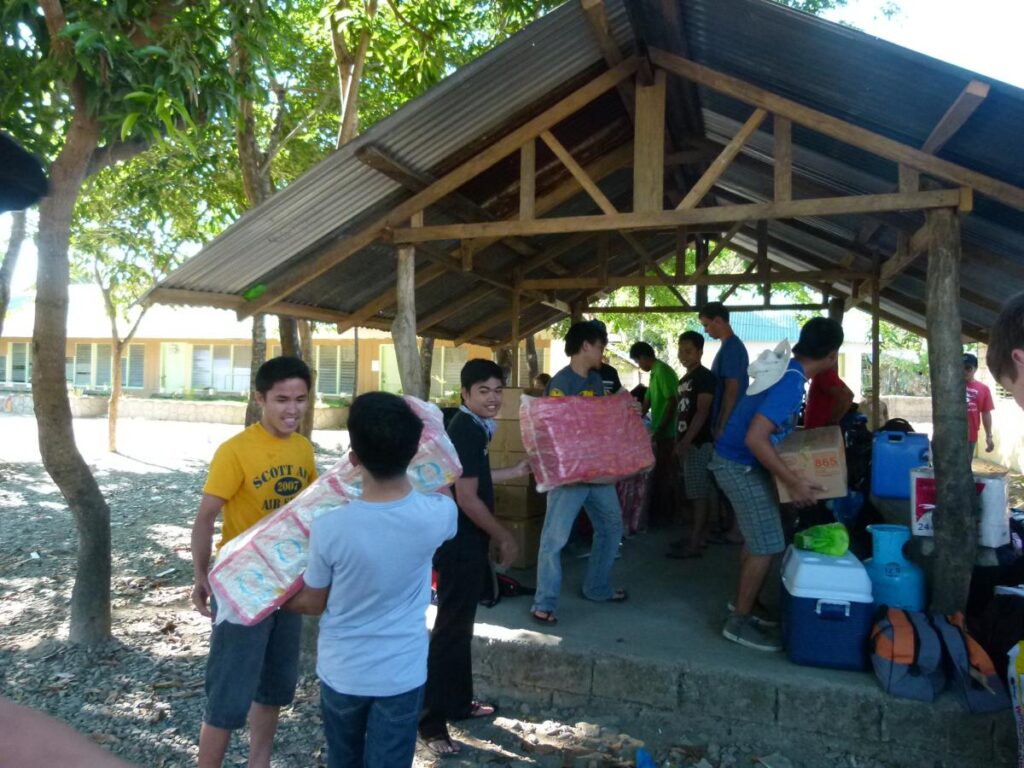
A succession of unloading goods, setting up, cooking, meeting people, teaching, treatment, and whatever was necessary immediately commenced at the sites. While back at the camp, the other set of cooks, worked hard. They cleaned up, washed, went to market, and prepared their own lunch, and made sure that snacks and dinner would be on the table for those who left. They snatched short moments of necessary rest, too. No one said no to a task. One immediately took over when one was not available. According to Fr. Hubert Kranz, SDS, the Novice Master, “not everything turned out to be nice and great” but the accomplishment of tasks went with seeming clockwork efficiency. All these should have been impossible without an organized leadership and a collaborative spirit.
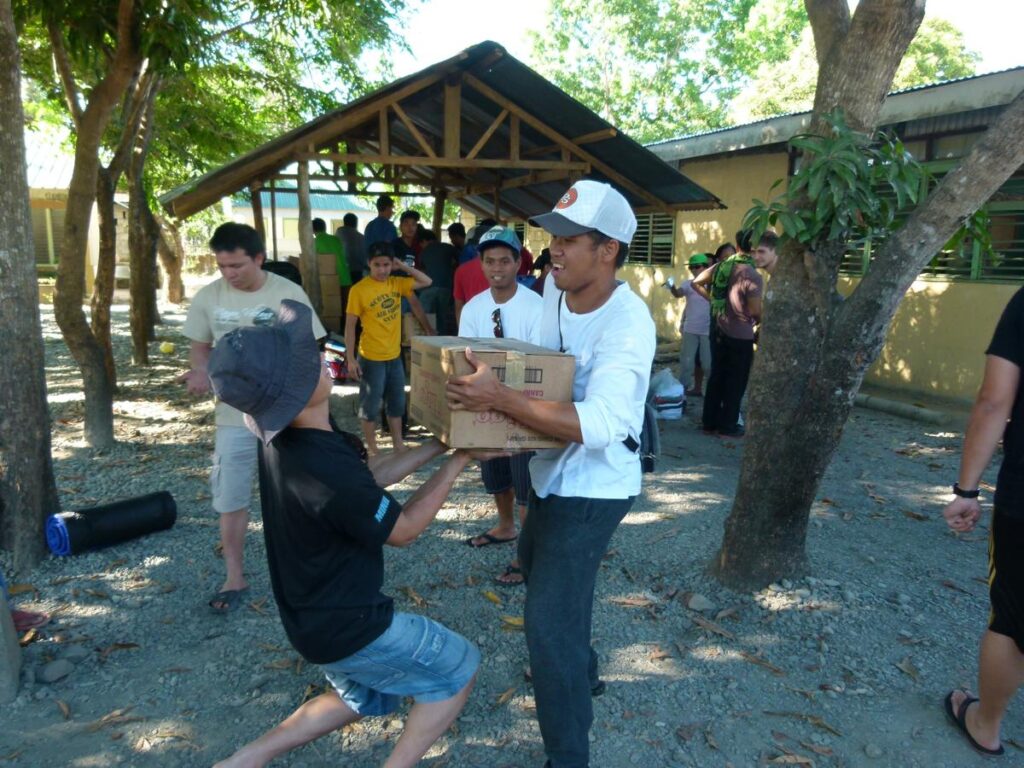
Hospitality means “friendly and generous behavior towards guests and food, drinks, or services provided by an organization for guests, customers, etc.” All those indicated in the two definitions of the word hospitality were provided by the Salvatorians to their beneficiaries. Yes, food and drinks were made available but the one that came out to be so obvious was service.
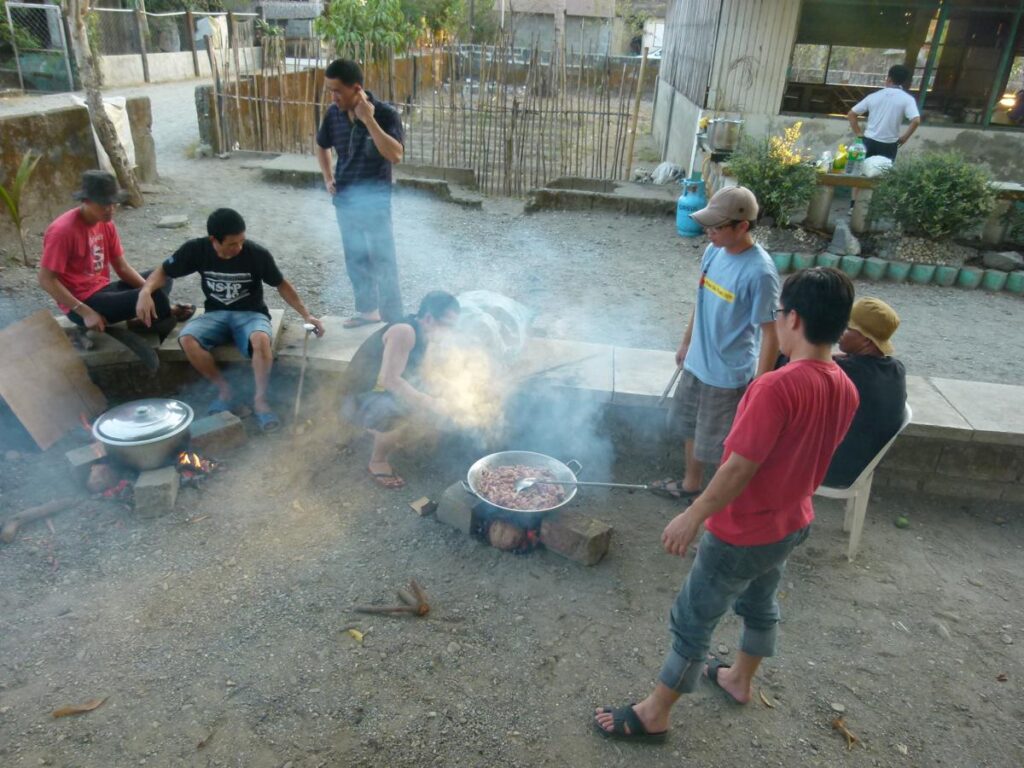
A brother cuddled a crying child while the mom was consulting the doctor. One pumped water from the well for a child who had to take a bath. Some opened many cans of sardines and resorted to use knives when 4 of the 5 can openers broke. A priest went to the market to buy supplies for the Mangyans. Still another entertained an old failing woman.
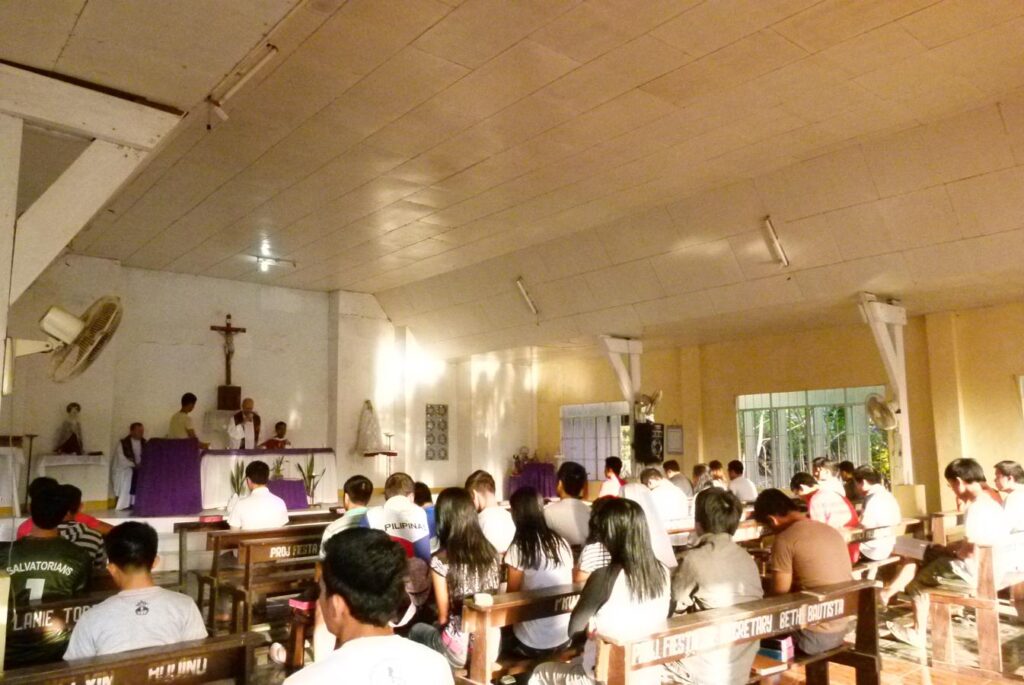
Services were rendered, not only to the beneficiaries but to the co-participants, as well. The brothers volunteered to carry bags for the ladies. The team of cooks assigned at the camp went out of their way to prepare snacks for those sent to the site. Later, they prepared bottles of beer as everyone gathered around a bonfire by the beach. The oldest priest was assigned to distribute ship tickets and to see to it that everyone signed the manifesto. He took his task so seriously that he checked if everyone received what was due. Two novices obliged to offer their strong arms to dizzy ladies while boarding the ship. The list goes on and on.
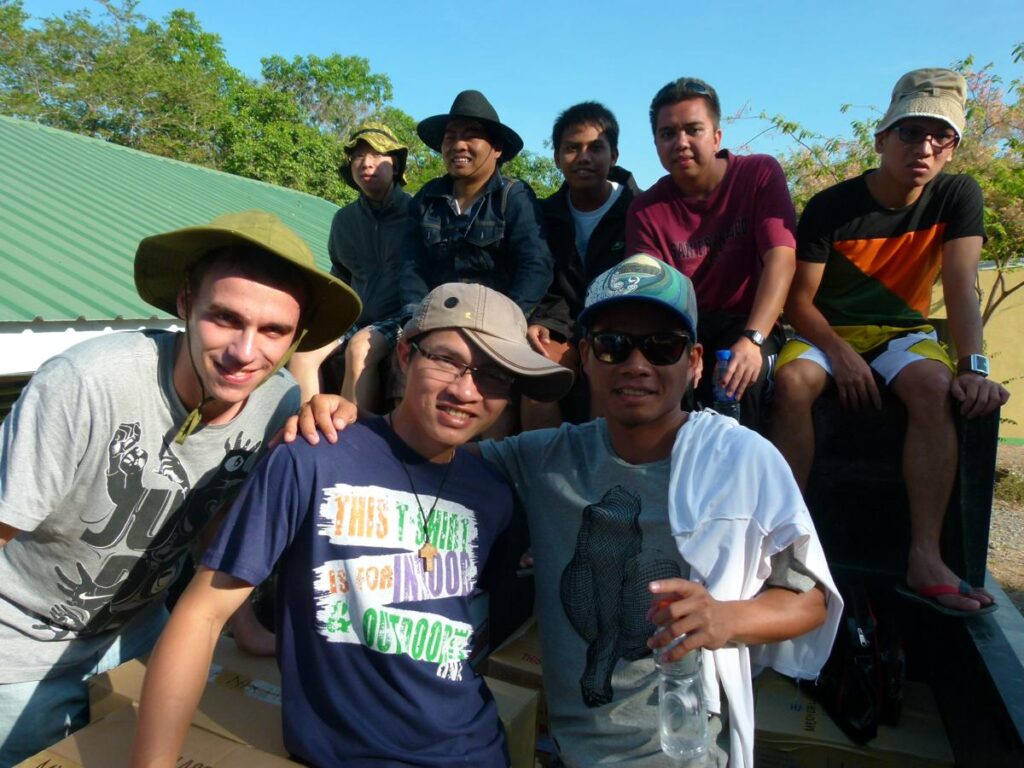
Ordinarily, hospitality is showed to guests or customers. But in this particular undertaking, the guests were the ones who offered food, drinks, medicine, friendship, and services. Fr. Hubert, once again summarized this gestures of love and service as he suggested that this be told, “We are serving the Lord by serving you.”
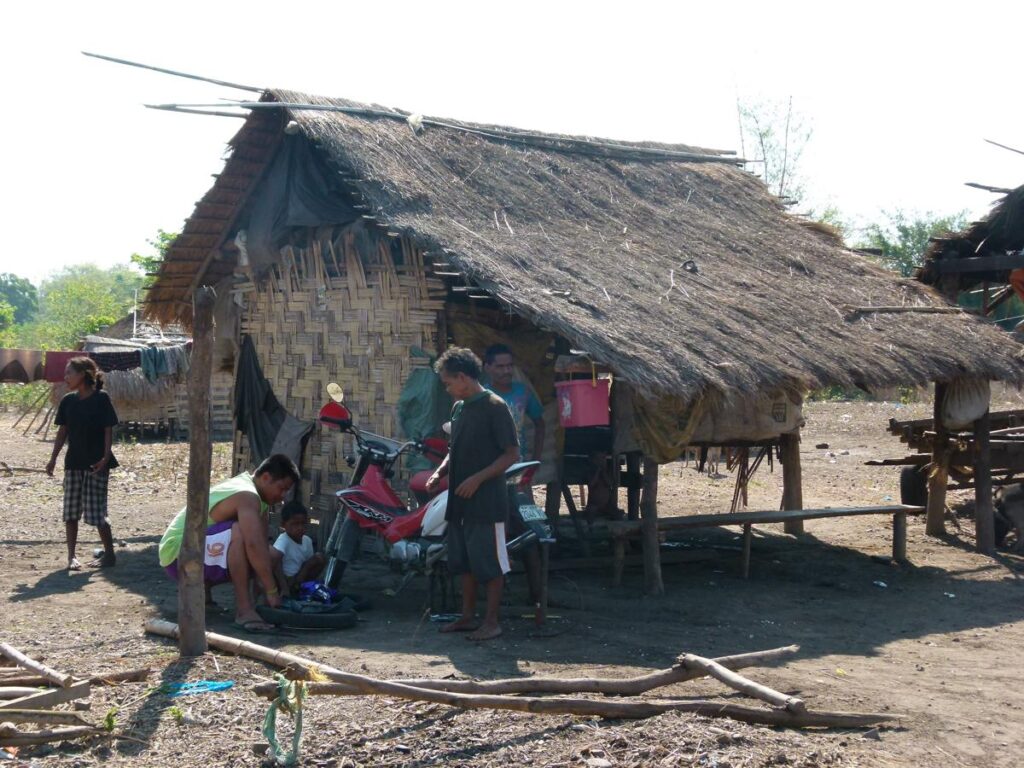
As an SDS volunteer for seven years, I had a chance to meet several of the priests. They come from different countries thus giving me the idea that the members of this society are working in various continents of the world. As I understand, universality in the Salvatorian context refers to being present in these many places and being “heavily involved in ministry of education, mission work, and many other ministries.” The Mindoro experience is one of the evidences that proved this. Aside from being a medical mission, this trip resulted to feeding programs and catechism sessions.
The last day of the trip further proved the Salvatorians’ positive sides and the strength of character. It turned out that rides were not enough for the participants and the things that must be carried home. The most logical suggestion was considered. In the end, we were late and had to patiently wait for the next ship. But then again the time was used wisely. We rested, exchanged tales, tried to know each other some more, and planned for the Mindoro Exposure 2015! How about enlisting your name as early as now?
-Written by LERMA D. DELAPEÑA SDS Volunteer
Some other pictures: